
Creating a cozy and functional home office space is essential for anyone working or studying from home. A well-designed workspace can improve productivity, reduce stress, and make your daily tasks more enjoyable. Whether you have a dedicated room or just a small corner, these tips will help you create an office environment that balances comfort with practicality.
Assess Your Space and Needs
Before you start decorating or buying furniture, it’s important to assess your available space and what you need to work effectively.
– Measure your area: Knowing the size helps you choose the right furniture without overcrowding.
– Identify your primary tasks: Do you mostly write, take calls, or use multiple screens? This will affect your layout.
– Check natural light: A well-lit area is better for your eyes and mood. Position your desk near a window if possible.
Choose Comfortable, Ergonomic Furniture
Comfort is key to staying focused and avoiding strain during long work hours.
– Invest in a good chair: Look for adjustable height, lumbar support, and cushioning.
– Select a suitable desk: Your desk should be the right height and size to fit your equipment without clutter.
– Consider standing desks or desk converters: Alternating between sitting and standing can improve circulation and reduce fatigue.
Optimize Lighting
Proper lighting reduces eye strain and fosters a welcoming atmosphere.
– Use natural light wisely: Avoid glare on your screen by positioning yourself sideways or using light curtains.
– Add task lighting: A desk lamp with adjustable brightness helps when natural light is insufficient.
– Incorporate ambient lighting: Soft overhead lighting or floor lamps create a warm and inviting environment.
Organize with Functional Storage
Clutter can distract you and reduce productivity. Keep everything neat and within reach.
– Use shelves and cabinets: Store books, supplies, and paperwork neatly.
– Desk organizers: Utilize trays, pen holders, and drawer dividers to keep small items in place.
– Cable management: Use clips, sleeves, or boxes to prevent cables from tangling and cluttering your desk.
Personalize Your Space
Adding personal touches can make your office feel more relaxing and motivating.
– Add greenery: Small plants freshen the air and create a calming effect.
– Decorate with artwork or photos: Choose images that inspire or soothe you.
– Use colors wisely: Soft, neutral tones promote focus, while pops of color add energy.
Minimize Distractions
A quiet and distraction-free environment supports better concentration.
– Noise control: Use noise-cancelling headphones or white noise machines if needed.
– Separate work and leisure: If possible, keep your home office away from noisy areas or busy parts of your home.
– Digital declutter: Close unnecessary browser tabs, silence notifications, and use apps designed to boost focus.
Improve Air Quality and Comfort
A comfortable temperature and fresh air help maintain alertness.
– Ventilation: Open windows regularly or use an air purifier.
– Temperature control: Use a fan or heater as needed to stay comfortable.
– Add personal comfort items: A cushion, a soft blanket, or a footrest can enhance physical comfort.
Maintain a Daily Routine and Keep It Tidy
A pleasant and functional home office requires regular upkeep.
– Set work hours: Establish a routine to separate work time and relaxation.
– Clean daily: Spend a few minutes clearing your desk and organizing items.
– Adjust as needed: Your needs may change, so be flexible and update your setup accordingly.
—
By following these simple yet effective tips, you can create a home office space that supports your productivity while feeling cozy and inviting. A well-planned environment not only helps you get work done efficiently but also makes your home feel more balanced and enjoyable. Happy decorating!
Related Posts
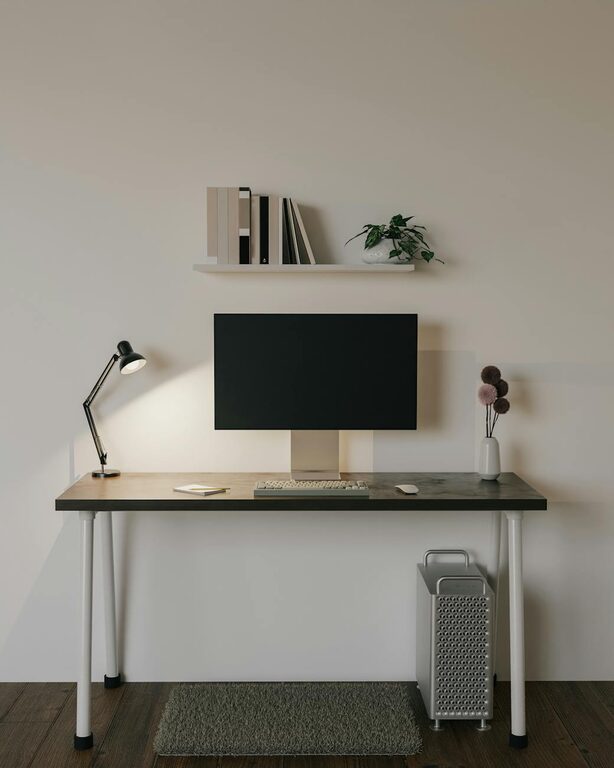
Tips for Creating an Efficient and Comfortable Home Office Setup
Creating an efficient and comfortable home office setup is essential…
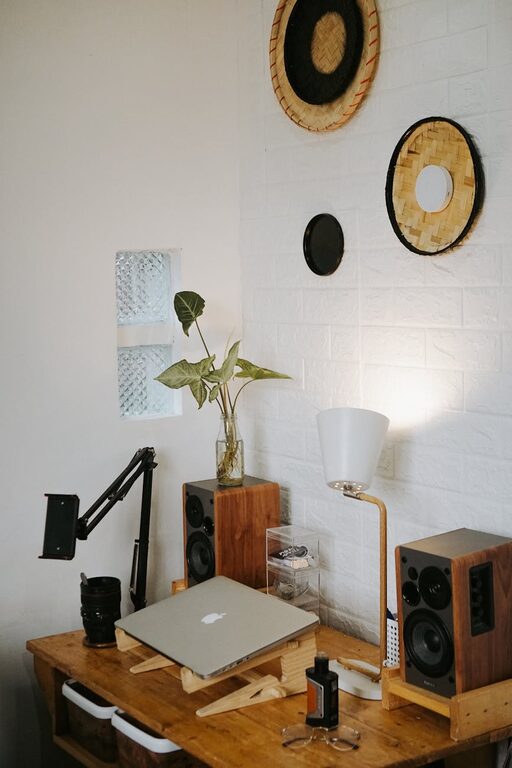
Tips for Creating a Cozy and Productive Home Office Environment
Creating a home office that is both cozy and productive…
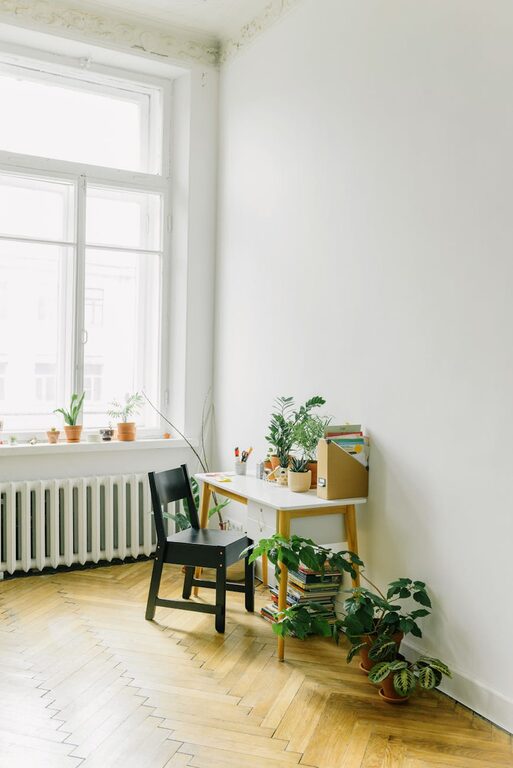
Tips for Creating a Cozy and Inviting Home Office Space
Creating a home office that feels cozy and inviting is…