
Creating an efficient and comfortable home office setup is essential for anyone working remotely or spending long hours at home. A well-organized workspace can improve focus, reduce stress, and enhance overall productivity. Whether you have a dedicated room or just a small corner, making thoughtful choices about your setup can make a big difference.
Choosing the Right Location
Finding the best spot in your home for an office is the first step. Here’s what to consider:
– Natural Light: Pick a place with plenty of natural light. Sunlight can boost mood and reduce eye strain.
– Quiet Environment: Choose a space away from noisy areas to help maintain concentration.
– Ventilation: Good airflow keeps the room fresh and prevents it from feeling stuffy.
If possible, avoid setting up in the bedroom to maintain a healthy work-life balance.
Investing in Ergonomic Furniture
Comfort is key when you spend hours sitting and working. Ergonomic furniture helps protect your body.
– Chair: Choose an adjustable chair with good lumbar support. This helps prevent back pain.
– Desk: Opt for a desk at the right height. Your elbows should be at a 90-degree angle when typing.
– Footrest: If your feet don’t rest flat on the floor, use a footrest to keep your posture balanced.
Consider a sit-stand desk to alternate between sitting and standing throughout the day.
Organizing Your Workspace
Keeping your workspace tidy reduces distractions and saves time.
– Declutter: Keep only what you need on your desk to avoid feeling overwhelmed.
– Storage Solutions: Use shelves, drawers, or organizers to store documents and supplies.
– Cable Management: Use clips or covers to keep cables neat and avoid tangling.
Labeling storage spaces makes it easier to find things quickly.
Optimizing Technology and Equipment
Your tools should make work easier, not more complicated.
– Reliable Internet: Ensure a strong internet connection to avoid interruptions.
– Multiple Monitors: If your tasks require it, use two screens for better multitasking.
– Keyboard and Mouse: Choose ergonomic options to reduce strain.
– Lighting: Add a desk lamp with adjustable brightness to complement natural light, reducing eye fatigue.
Make sure your devices are positioned to minimize glare on screens.
Personalizing Your Space
Adding personal touches can make your office a pleasant place to spend time.
– Plants: Indoor plants improve air quality and create a calming atmosphere.
– Colors: Use colors that promote focus, like soft blues or greens, but avoid overly bright tones.
– Inspiration: Hang artwork or motivational quotes that encourage productivity without clutter.
Keep personal items minimal to avoid distractions.
Managing Time and Breaks
An efficient setup includes planning your work schedule and breaks.
– Set Boundaries: Define working hours to separate work from personal time.
– Use Timers: Techniques like the Pomodoro method help maintain focus and remind you to take regular breaks.
– Move Regularly: Stand up, stretch, or walk around every hour to prevent stiffness.
Taking care of your physical well-being supports better productivity.
Maintaining Your Home Office
Regular upkeep keeps your office inviting and functional.
– Clean Weekly: Dust and clean surfaces, screens, and keyboards.
– Update Equipment: Replace worn-out furniture or devices before they cause discomfort or slow down work.
– Review Setup: Periodically check if your layout supports your workflow or needs adjustment.
A well-maintained space encourages consistent work habits.
—
Designing an efficient and comfortable home office doesn’t have to be complicated. By selecting the right location, investing in ergonomic furniture, staying organized, and personalizing your space, you create a productive environment that supports your well-being. Regularly review and adjust your setup as your needs evolve to maintain maximum comfort and efficiency.
Related Posts
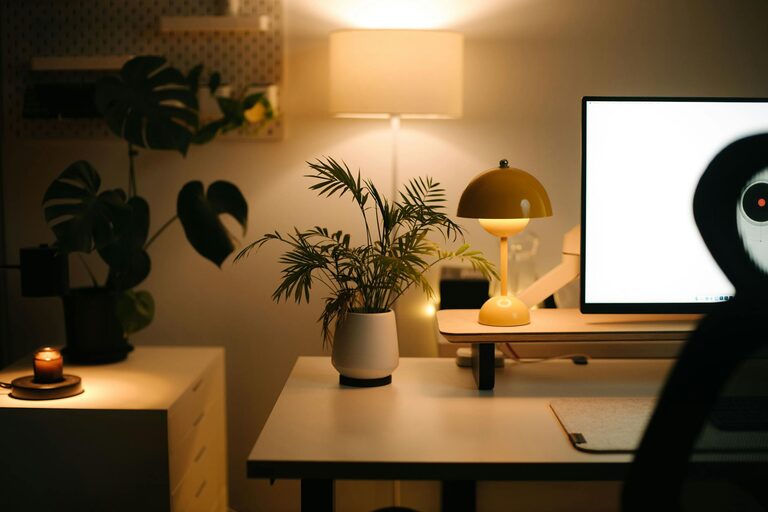
Tips for Creating a Cozy and Productive Home Office Environment
Working from home has become increasingly common, and having a…
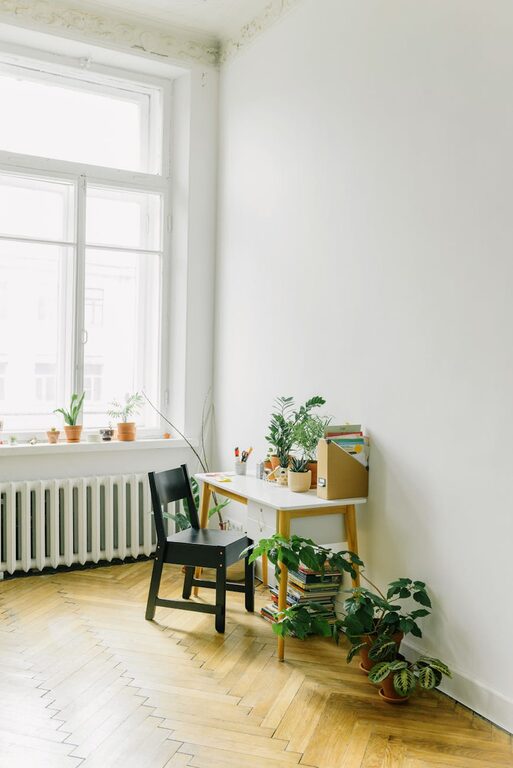
Tips for Creating a Cozy and Inviting Home Office Space
Creating a home office that feels cozy and inviting is…
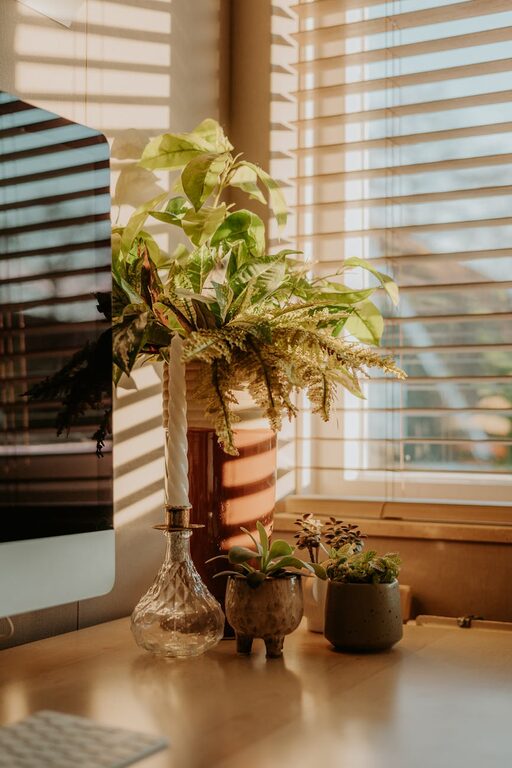
Tips for Creating a Cozy and Productive Home Office Environment
Creating a home office that balances coziness with productivity is…